INTERVENERS:
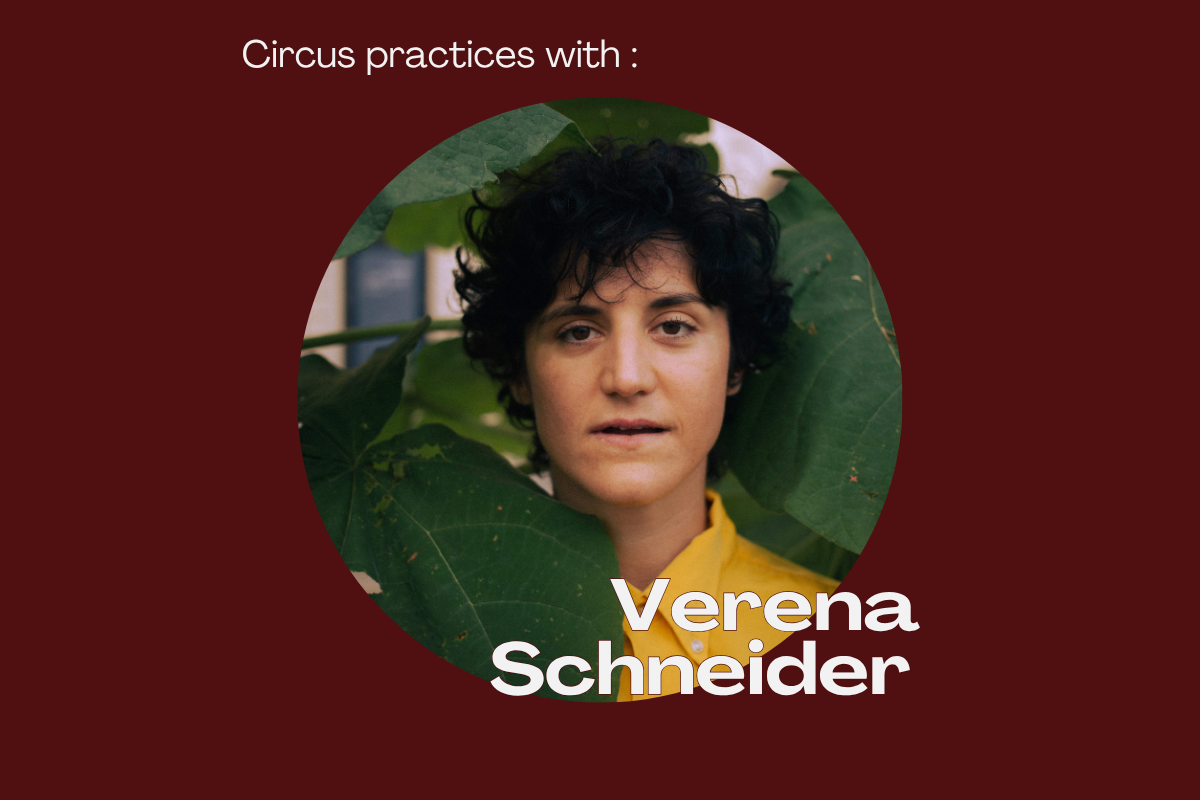
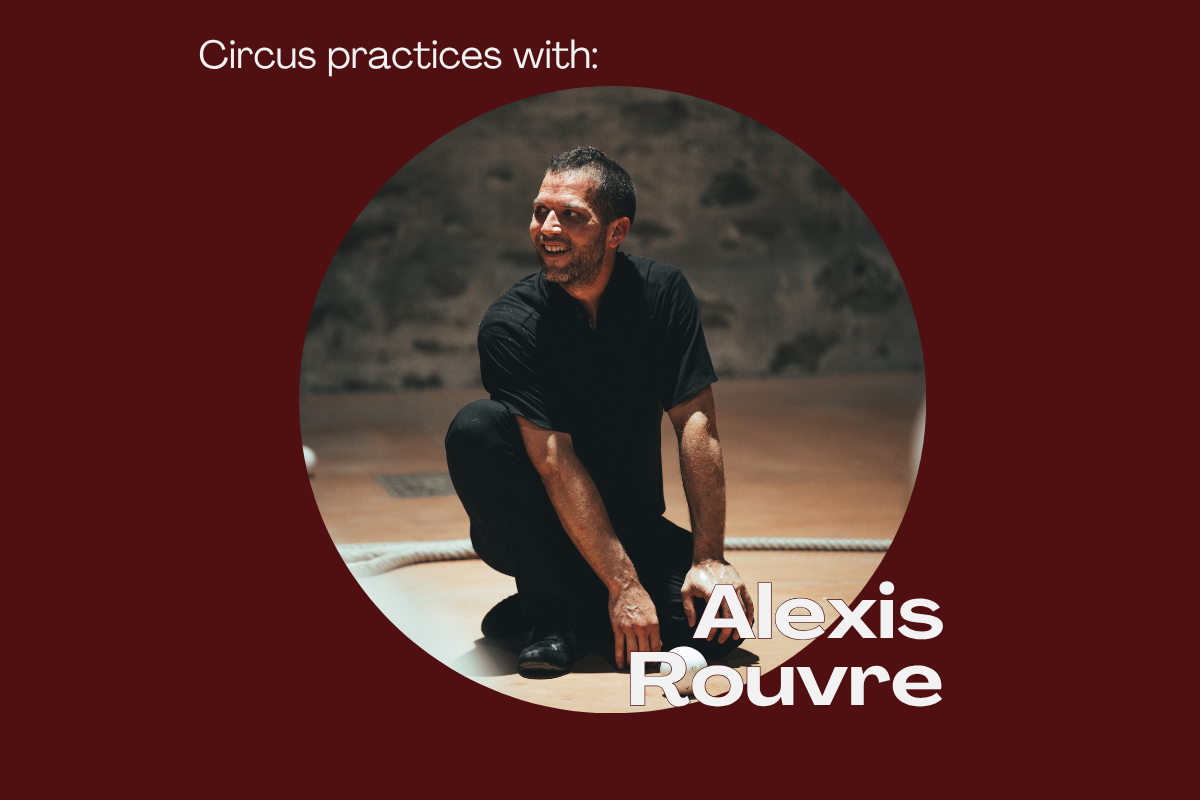
Circus practices with Verena Schneider et Alexis Rouvre
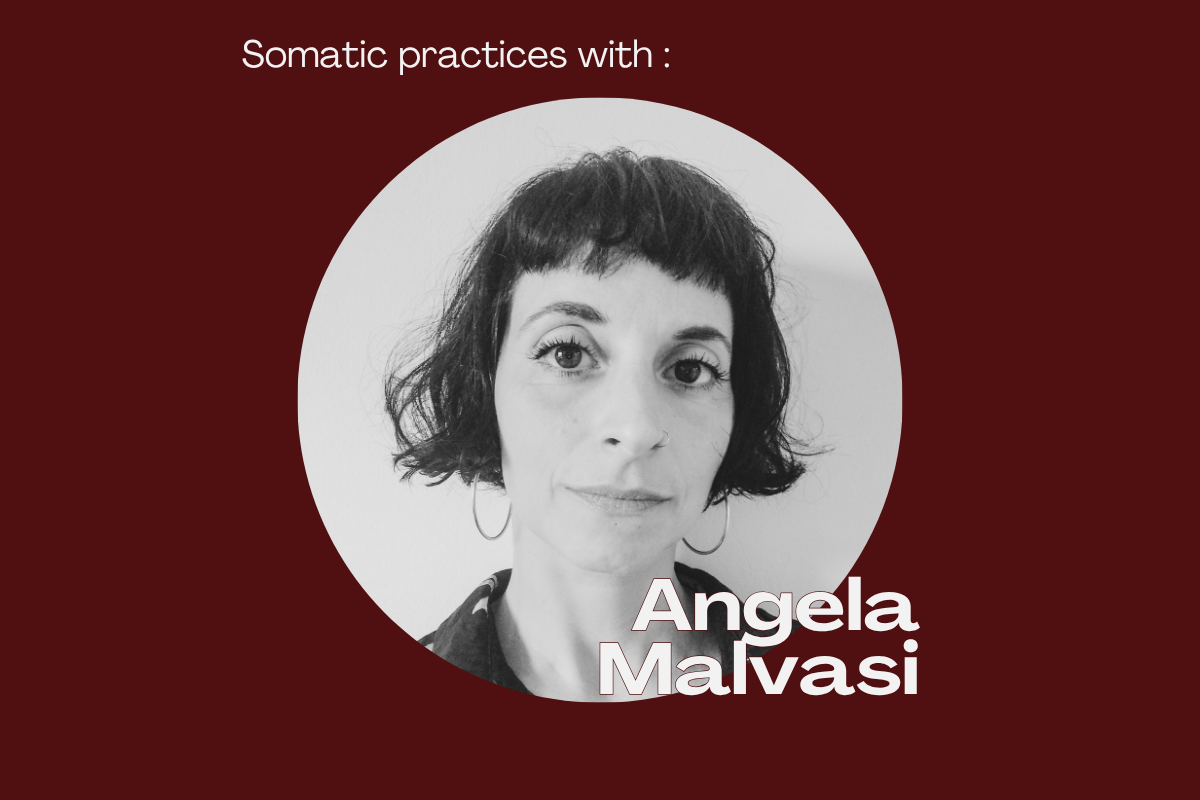
Somatic practices with Angela Malvasi
A session with Emmi Väisänen et Fabian Krestel
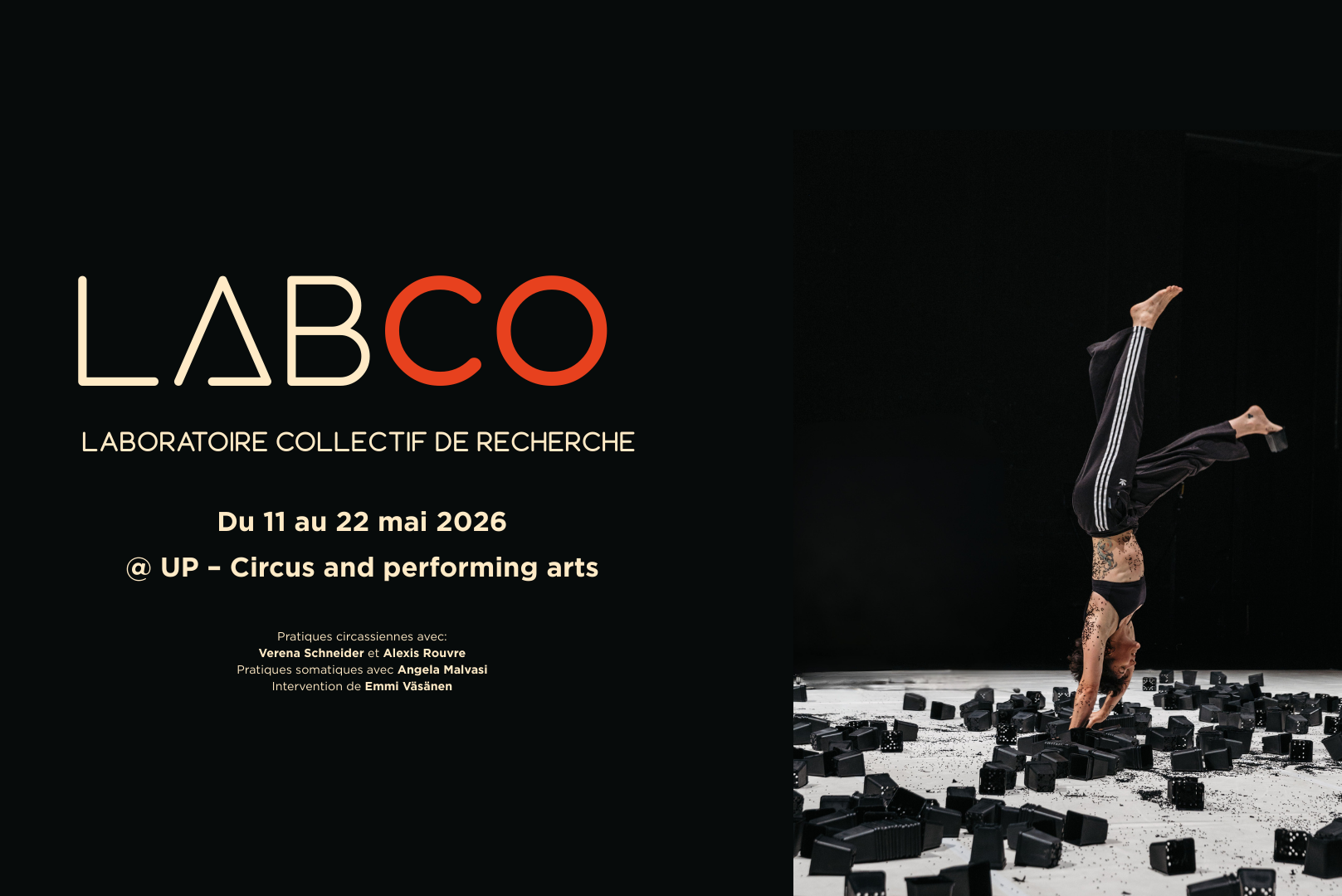
11–22 May 2026
@ UP – Circus and performing arts
About labCo
The aim of labCo is to facilitate the sharing of research practices within the performing arts sector, particularly in the field of contemporary circus.
Each contributor shares research connected to their artistic practice with the group, bringing together diverse approaches and perspectives. Through this exchange, we foster a collaborative dynamic that supports the development of each individual practice. The proposed research topics emerge from the artists’ practices.
The concept of the laboratory and what is shared within it is ‘open source’; the aim is to develop this concept and disseminate it. This period of research and reflection on our practices is, above all, about setting things in motion, experimentation and the pleasure of coming together.
Laboratory session schedule
The LabCo runs for two weeks, Monday to Friday from 9.30 am to 4.30 pm, with the option to arrive from 9 am and leave at 6 pm.
The first week will be primarily led by the interveners, who will outline the framework of their own research, with time also dedicated to discussion and reflection. Building on the processes and questions that emerge during this first phase, the second week continues these investigations by proposing new methods and opening up the sharing of additional approaches. All directions are welcome and will be developed in consultation with the group.
Friday 22 May 2026 will be dedicated to preparing and presenting a review of the two weeks. This may take any form (public or private, presentation, experimentation, discussion…) and will be decided collectively.
The languages used will be French and English.
INFORMATIONS
WHO IS IT FOR?
Any professional performing artist interested in the concept of research and the work of the guest artists.
REGISTRATION
Participation is free of charge but registration is mandatory.
To register, please send an email to admin@modogrosso.be including:
This can be brief and included in the email, or provided as attached documents (CV, bio, cover letter)
IMPORTANT: Regular and active attendance is essential for the smooth running of the labCo. Please indicate any unavailability during the period. Applicants who anticipate being absent for more than 2 days will not be given priority.
INTERVENERS
Verena Schneider – Handstand, acordance
trained in circus arts at FLIC and later at Lido, in choreography at Codarts, and in biology. Verena is an austrian acrobat, performer, and interdisciplinary artist, who works at the intersection of circus, dance, and performance. Within this process, she will share her research at this intersection, informed by the reflections of Jean-Michel Guy and Bauke Lievens on hybrid aesthetics and on circus as a form in which the virtuoso body takes center stage while redefining virtuosity.“What is expressed in the forms of circus is not the old conception of mastery, but an understanding of the action of a human being whose heart is tragic. Virtuosity is nothing other than the human being at work, striving in vain. What appears in the ring is a struggle against an invisible adversary — where the aim is not to conquer, but to resist and not to lose.” (Bauke Lievens)
Her artistic practice approaches movement and choreography through hand balancing and acrodance, integrated into a somatic approach attentive to the body’s inner landscape. Through somatic imagination, attention to movement quality, and work with materials and objects, she explores movement scores centered on balance and the relationship between inner and external landscapes as a way of informing the stage. She investigates the spaces between bodies and the notion of agency—understood here as a capacity to act that circulates between bodies, objects, and the environment.
Alexis Rouvre – Object manipulation
trained at ESAC in 2009 and subsequently in contemporary dance, Alexis is a juggler and object manipulator, as well as a circus creator and performer. He is currently the artistic director of Cie Modo Grosso.
In a world where everything is speeding up, creative work is constrained by ever-increasing demands for productivity: there are numerous new productions, resources are dwindling, deadlines are getting shorter and shorter… How can one develop one’s practice over the long term and maintain one’s passion whilst rising to the challenge of making it one’s profession? How can one integrate a research dimension into a physical practice—which demands time for rehearsal and maintenance—that allows for renewal whilst still aiming for the finalisation of a work?
Driven by these questions, I wish to share various approaches that have shaped my practice. Taking the object as a starting point, I propose to undertake an archaeological exploration: delving into what seems familiar to discover, each time, a little more about our unique qualities linked to research, creation, writing, originality and performance.
Angela Malvasi –Somatic practice, Ashtanga yoga and pranayama
For over twenty years, Angela has pursued a varied artistic career: from studying theatre at La Sapienza University in Rome to practising martial arts, dance, physical theatre, clowning, singing and painting. She is also an Ashtanga yoga teacher, an Ayurvedic massage therapist and is training to teach Pranayama.
In recent years, a key observation has been the dominance of the pace imposed by society, leading to an increase in burnout, depression and other health issues. This leads me to reflect on how we can regain our autonomy and our own rhythm, whilst staying healthy and cultivating creativity, without having to retreat to a hermitage.
Although this requires discipline, it is acquired gradually, with joy and without guilt, for we are the sole masters of our own lives. Through various practices of meditation, visualisation and breathing, I have realised the importance of rebalancing the nervous system. The nervous system, divided into central and peripheral systems, comprises the sympathetic system, linked to alertness, and the parasympathetic system, associated with rest.
My research aims to rebalance these systems and explore their impact on the creative and artistic process.
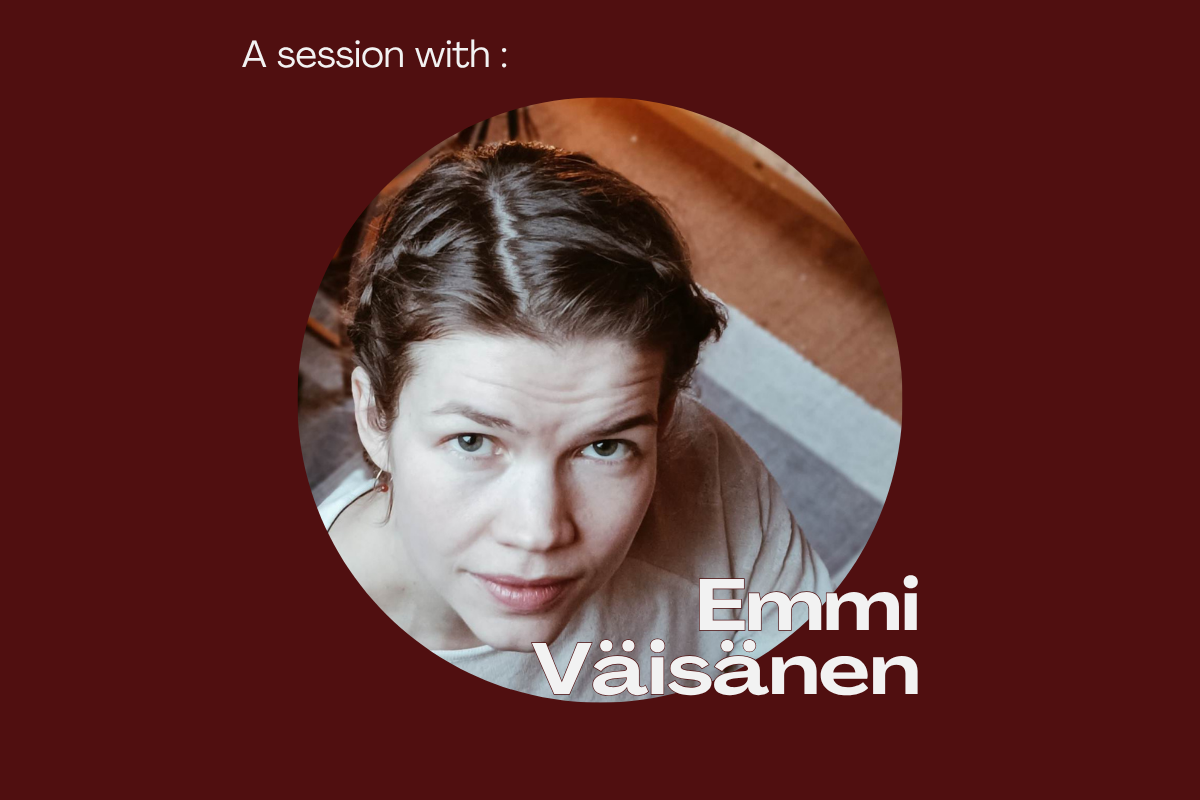
Emmi Väisänen
Emmi Väisänen (FI/BE) is a contemporary dancer based in Brussels, Belgium. Trained at Turku Conservatory (Finland) and S.E.A.D (Salzburg Experimental Academy of Dance, Austria), she has collaborated with choreographers like Alexandra Waierstall, Julia Schwarzbach, Kinga Jaczewska and Alice Van der Wielen-Honinckx. Notably, Emmi has worked extensively for years with ECCE/Claire Croizé & Etienne Guilloteau and with Not Standing/Alexander Vantournhout as a core member of the company.
Emmi has shared her expertise through working as an outside eye and teaching dance and repertory workshops in different organisations and theaters in Europe. She has taught partnering workshop also together with Alexander Vantournhout (Deltebre Dansa/Spain ,Impulstanz/Austria,Tanzwerkstatt/Germany,Tictac art center, P.A.R.T.S summerschool/Belgium, Summer Intensive/Lithuania)
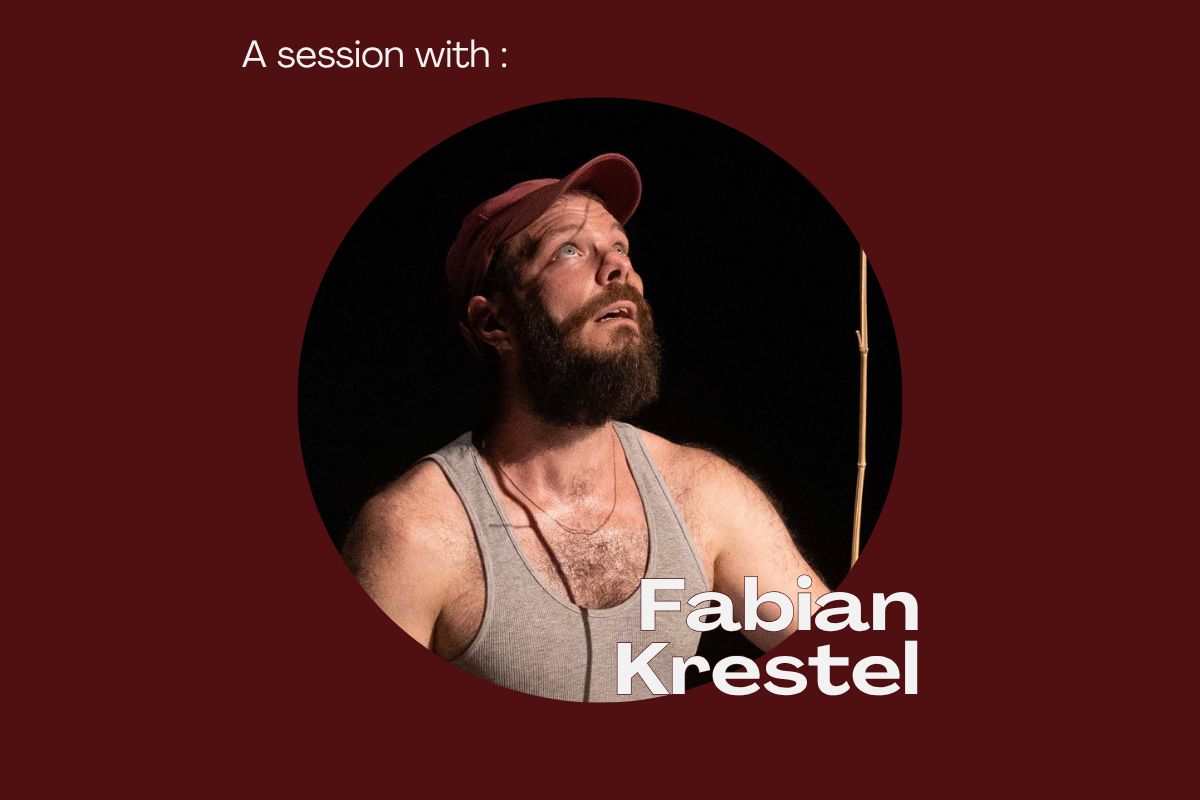
Fabian Krestel
Trained at the École supérieure des arts du cirque (ESAC) in Brussels, Fabian Krestel is an interdisciplinary artist based in Brussels. He is currently developing The Labyrinth, a research project exploring the relationship between process, movement, and trace.
His work explores the encounter between different aesthetics : circus, dance, visual arts, and music and the dynamics that emerge through their interaction. He is particularly interested in what appears in transition: between intention and action, between structure and unpredictability.
He is also interested in autotelic actions, where pleasure is generated within the act itself — through doing, practicing, and performing — rather than through a final outcome.
The focus shifts from result to process, understood as a space for play, research, and composition, opening this research space to participants through explorations that combine improvisation, simple constraints, and compositional games.